Lighting is the foundation of photography. Understanding how to work with light – whether natural or artificial – will dramatically improve your images and set you apart as a photographer.
Understanding Natural Light
Natural light is free, beautiful, and endlessly variable. The key is learning when and how to use it:
- Golden Hour: The hour after sunrise and before sunset provides warm, soft, flattering light.
- Blue Hour: The period just before sunrise or after sunset offers cool, moody tones.
- Overcast Days: Clouds act as a giant softbox, providing even, diffused light perfect for portraits.
- Harsh Midday Sun: Can create dramatic shadows but requires careful positioning or fill light.
Basic Artificial Lighting Setups
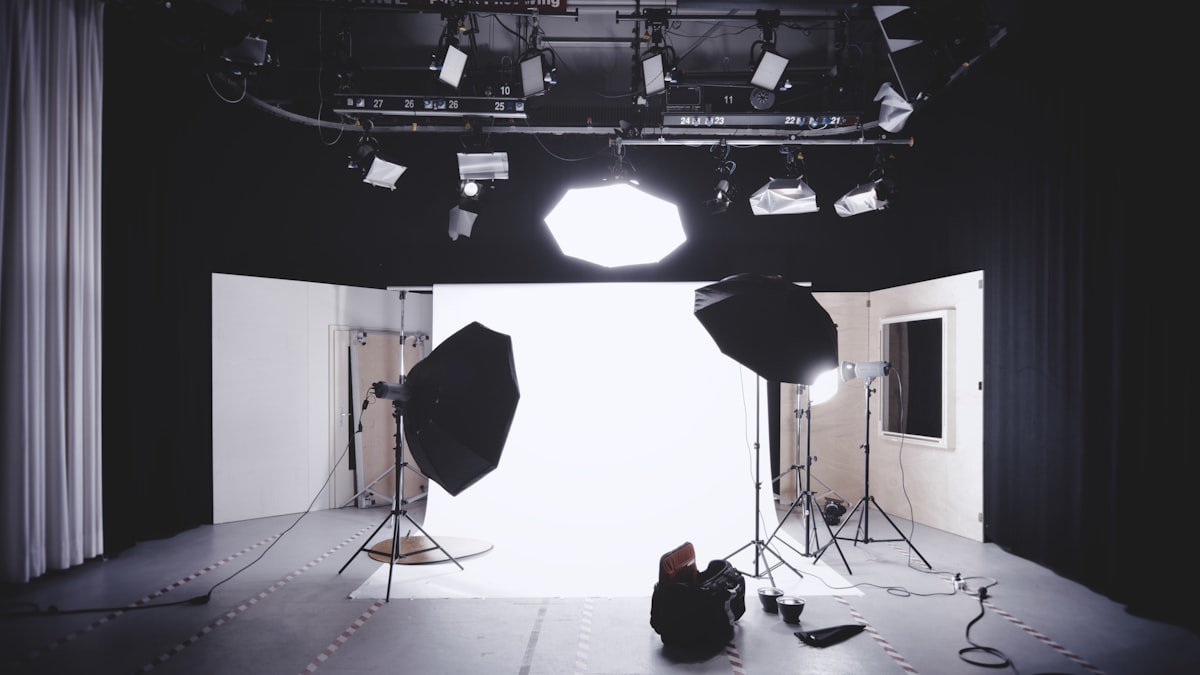
When natural light isn't available or suitable, artificial lighting gives you complete control:
One-Light Setup
A single light source with a modifier (softbox or umbrella) positioned at 45 degrees to your subject creates classic, flattering portraits with natural-looking shadows.
Two-Light Setup
Add a second light as fill or rim light to reduce shadows or separate your subject from the background.
Three-Point Lighting
The classic setup: key light, fill light, and backlight. This gives you complete control over shadows and dimension.

Modifiers Matter
The quality of light matters as much as quantity:
- Softboxes: Create soft, even light with gradual shadow falloff.
- Umbrellas: Affordable and portable, great for beginners.
- Beauty Dishes: Produce a unique quality of light popular in fashion and beauty photography.
- Reflectors: Bounce existing light to fill shadows inexpensively.
Practice Makes Perfect
The best way to learn lighting is to experiment. Set up your lights, take photos, adjust, and repeat. Over time, you'll develop an intuition for how light behaves.
Connect with Models to Practice
Need models to practice your lighting skills? Join CastingLens and connect with models looking for TFP collaborations!